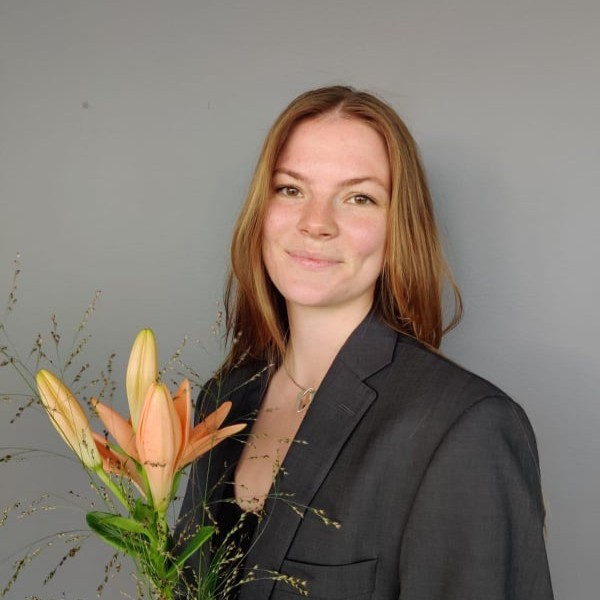
Research Spotlight: Antonia Lilja
Welcome to our new series where we feature our researchers in the RTG! To show and celebrate the people behind the science, we are shining a spotlight on the brilliant minds of our Research Training Group and sharing their research, their motivations, and what drives them to explore the fascinating world of emotional learning and memory.
Who are you, how long have you been part of the RTG, and what are you working on?
Earlier this year, I completed my PhD where I studied the impact of stress on memory. I specifically focused on how an acutely stressful situation affects your memory for the stressful situation itself, as well as for events that occurred shortly before or after. I joined the RTG Emotional Learning and Memory as part of the first cohort of PhD students, in July 2022. Before joining the RTG, I had studied Cognitive and Clinical Neuroscience in Maastricht, which is where I originally developed an interest in memory research.
What do people often misunderstand or overlook about the topic you are working on?
Something that frequently pops up in conversations with people outside this field is how immensely complicated memory really is. Not only does it consist of several subprocesses, but it may also be difficult to distinguish from other cognitive mechanisms. For example, during my master’s studies I learned that what we often perceive as "bad memory" may in fact be rooted in a totally different cognitive process, such as attention. When I mention studying memory, my friends and family often first respond by berating themselves for having bad memory and forgetting things easily – when in fact, this may be exactly what the brain should be doing with that information. It seems that the strong “optimization culture” that we are currently facing is driving many people to having immensely high expectations for themselves. Meanwhile, remembering everything would actually be immensely costly, and would likely prevent us from prioritizing what information really matters for survival and adaptation.
How has being part of this RTG shaped you in your role?
Being part of a collective like the RTG has fundamentally shaped how I see the process of doing research. Although all of us in the RTG have separate niches and research interests, the peer support has been phenomenal. Having contact with people in different working groups has been very useful in getting familiar with different ways of working and organizing teams. Communication across "team-borders" is really the most efficient way to learn new ways of doing things and consider perspectives outside our own.
What advice would you give to someone just starting out in research?
Something that slowed me down a lot at the start was impostor syndrome. Not only did this mean that I second-guessed every decision I had to make – I also ended up making the wrong decision more than once because I was too scared to trust my intuition and knowledge. The learning curve during a PhD is steep and there will be hick-ups along the way, but worrying about when those will happen will not prevent them from eventually popping up. A grace period of intense self-compassion at the start would not only have been a faster way to get through the initial adjustment – it would also have been way more fun.